

Planning a wedding involves understanding each component, from the intimate ceremony to the lively reception. The “wedding reception” is the post-ceremony celebration, while the ceremony itself is the formal exchange of vows. Each plays a unique role in your special day. Here is a look at the distinctions between wedding ceremonies and receptions and what you can expect at each.
Purpose and Atmosphere
The primary difference between a wedding ceremony and a reception is the purpose of each. The ceremony is the heart of the wedding day, where couples exchange vows, rings, and promises in a formal setting. It is a time of deep emotion, and its tone is typically solemn and reflective.
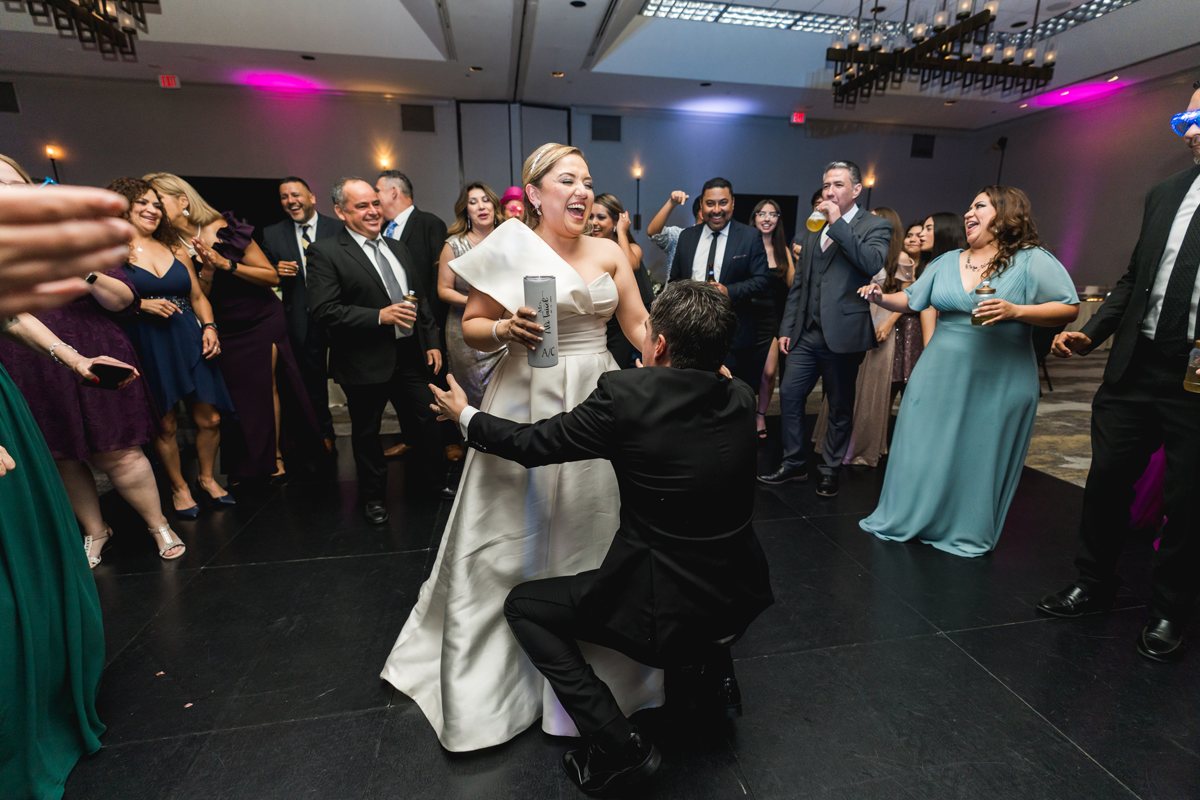
In contrast, the reception is a celebration of this new union. It brings together friends and family to enjoy food, music, and dancing. With a more relaxed and festive atmosphere, the reception allows guests to socialize, share in the couple’s happiness, and join in various traditions, such as toasts and the couple’s first dance. The reception’s energy is often lively, encouraging guests to mingle, enjoy the entertainment, and celebrate this important milestone.
Timing and Duration
Ceremonies are generally shorter than receptions, lasting around 20–30 minutes, though they can vary depending on religious or cultural traditions. The ceremony may include readings, vows, ring exchanges, and special rituals specific to the couple’s beliefs or family customs.
Receptions, however, usually last longer, with an average duration of four to seven hours. This gives guests plenty of time to enjoy a full meal, socialize, and partake in the evening’s events. Most receptions feature a series of scheduled activities, such as dinner, speeches, dancing, and cake-cutting, all designed to keep the celebration flowing smoothly.
Venue Considerations
Ceremonies and receptions can be held at the same location or different venues. This depends on the couple’s preferences and logistical needs. Many couples choose to have both events at a single venue, such as a garden, historic estate, or banquet hall, to simplify travel for guests. However, others may prefer a traditional ceremony in a religious setting followed by a separate reception venue for a change of scenery and atmosphere.
For outdoor weddings, it is common to hold both the ceremony and reception at the same location to minimize transportation needs and make the event more cohesive. Working with an experienced wedding coordinator will make it easier to transition between settings if the events take place at different venues.
Attire and Formality
The couple’s attire typically aligns with the formality of each part of the day. The ceremony is generally more formal, with the couple and wedding party dressed in their finest. Traditional attire, such as a white gown and suit or tuxedo, is common, especially for formal ceremonies.
Some couples choose to change into more relaxed outfits for the reception to be more comfortable during the festivities, especially if dancing and other activities are planned. Guests also tend to dress with more formality for the ceremony and may bring accessories, like shawls or jackets, to adjust for any wardrobe changes as they move from ceremony to reception.
Roles and Responsibilities
Both the ceremony and reception involve a coordinated team effort to bring everything together smoothly. During the ceremony, roles are often limited to officiants, readers, and sometimes close family members or friends involved in special rituals. The primary focus is on the couple and their vows, with limited interaction from others.
At the reception, however, various people contribute to the flow and entertainment. Toasts are given by family members and friends, the wedding party may make speeches, and the DJs/MCs play a vital role in energizing the crowd and keeping the evening on track. Many receptions also include additional entertainment, such as live bands, photo booths, or games, to keep guests engaged and create lasting memories.
Creating a Seamless Day with Toast Entertainment
Toast Entertainment knows that a seamless transition from ceremony to reception is key to a memorable wedding. By handling everything from music to event coordination, we make sure that every part of your celebration flows effortlessly, allowing you to focus on enjoying each moment. Knowing the unique elements of the wedding ceremony and reception will help you plan an event that truly captures your style and vision. This makes your wedding a cherished day for everyone involved.